
Gaming should be accessible to all – Let’s make it that way
A 3D-printed add-on that lets people with cerebral palsy play racing games with one hand. It is now a company, AdaptaPlay.
Background
Globally, the most common childhood movement disability is cerebral palsy (CP), with CP affecting over 800,000 individuals in the US alone. CP is most often characterized by poor motor coordination, spastic muscles, and weaknesses in certain muscle groups. Because of their physical limitations, those with CP, especially children, have fewer opportunities to participate in group activities, and even video games are hard to join because controller buttons are small and fiddly. Games are one of the easiest ways to keep up friendships online and meet new people, and the fine movements they ask for are good practice for upper-body motor coordination.
Methods
To address the issue of limited access to gaming, this project aims to develop, test, and distribute an adaptive gaming controller that allows individuals with CP to play video games and connect with peers. The device must be customizable to accommodate the diversity within CP, while still being affordable and available to many.
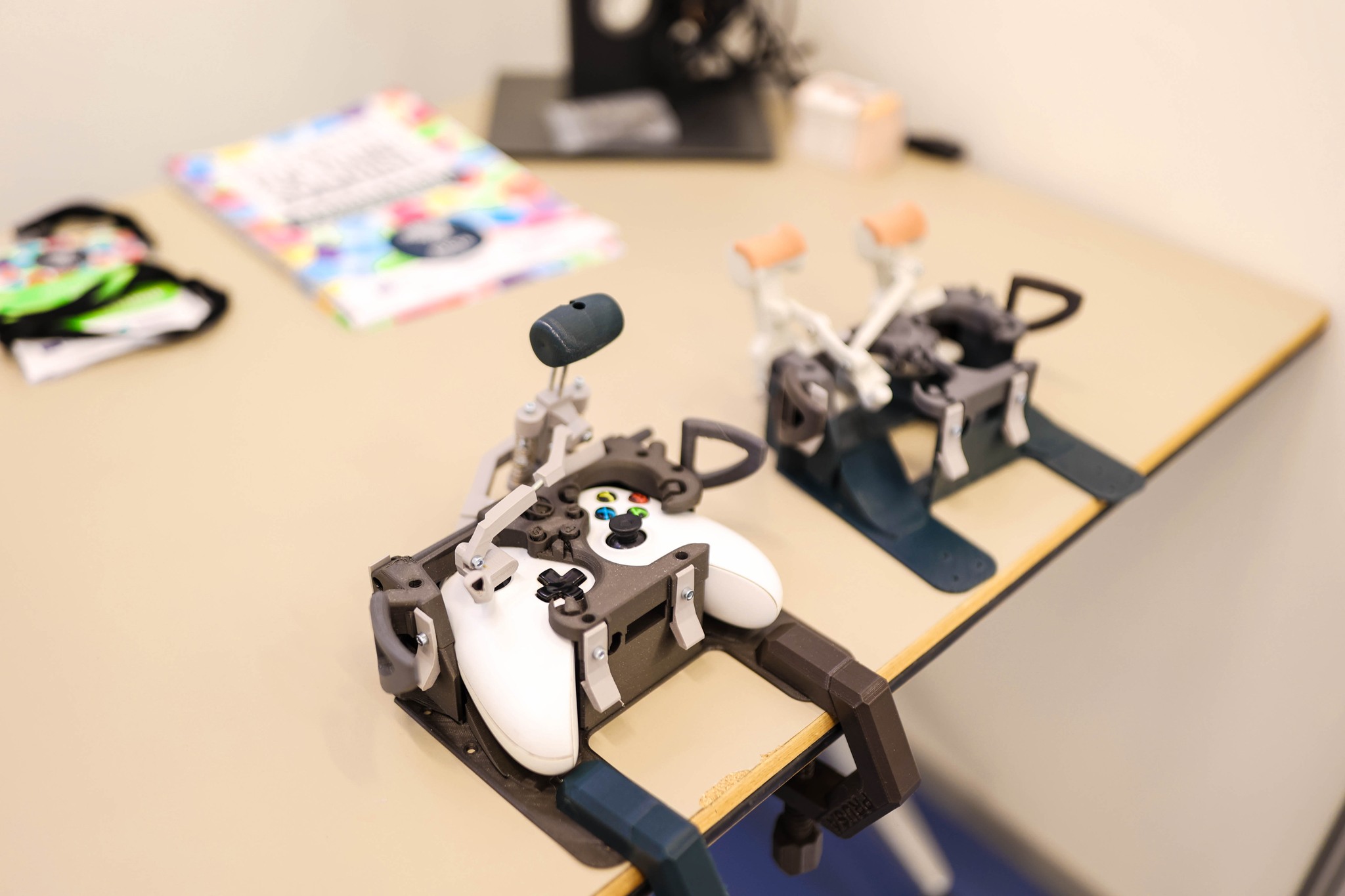
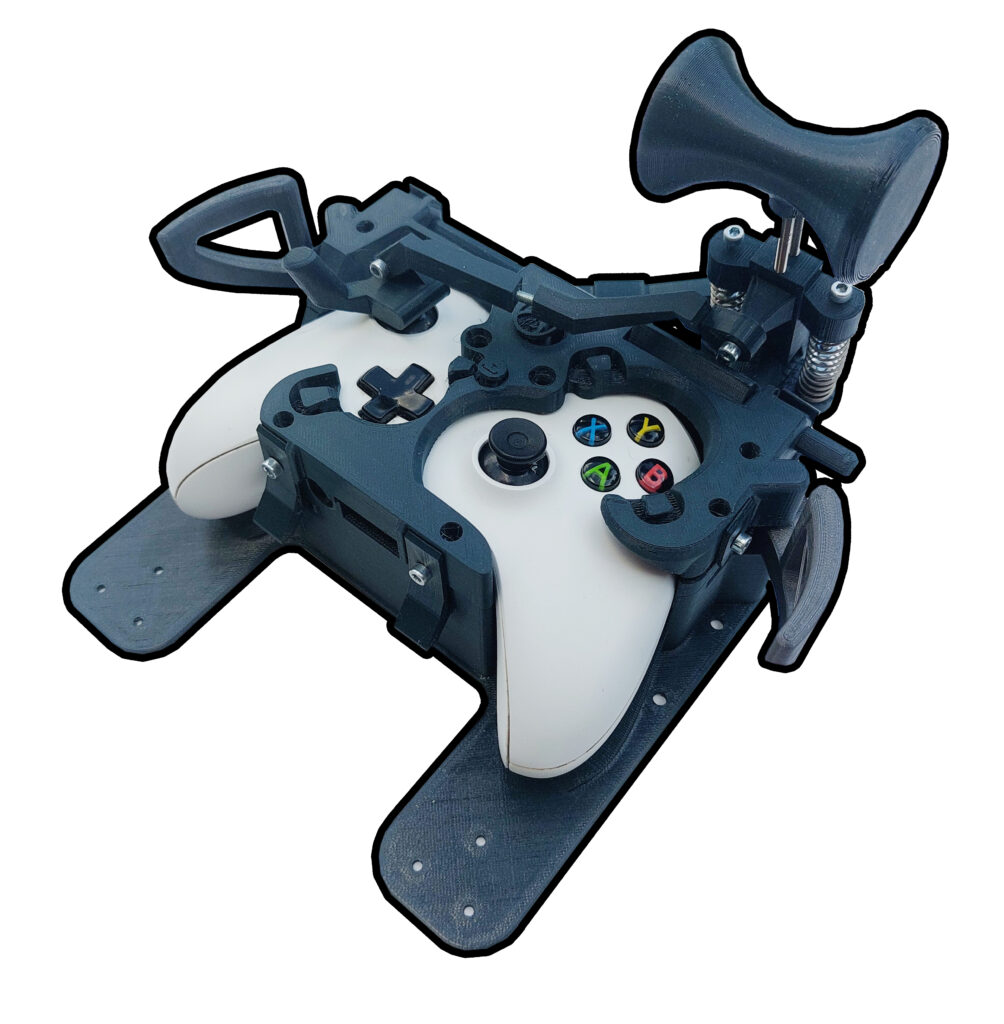
The current version of the add-on is a 3D printed shell that snaps onto a gaming controller and links together its functions to make it usable for the racing game called Forza. By mechanically combining the functions of accelerating, reversing, and turning into one new pedal, all functions of Forza become usable with just one hand, not needing fingers.
Testing
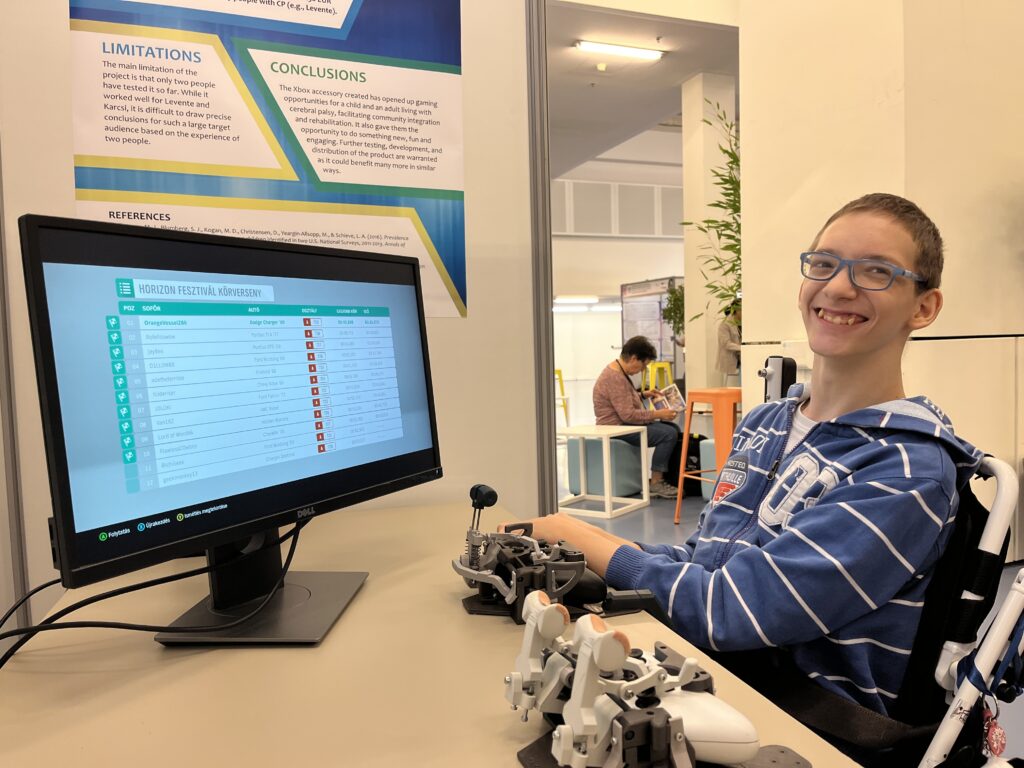
Testing was performed at the Pető Institute, which is Hungary’s largest center for cerebral palsy rehabilitation. Testing was done with 5 individuals over the course of development.
2 videos taken while testing the add-on
Results
So far, 5 people with CP have tested the add-on. The first tester was Levente, a 16-year-old student at a CP rehabilitation institution who is only able to use one hand at a time with limited coordination. With the help of the accessory, Levente achieved first place for the first time in a Forza race. After several hours of testing, he provided feedback for minor improvements that have since been implemented. Using the add-on, the further testers were also able to play Forza without limitations.
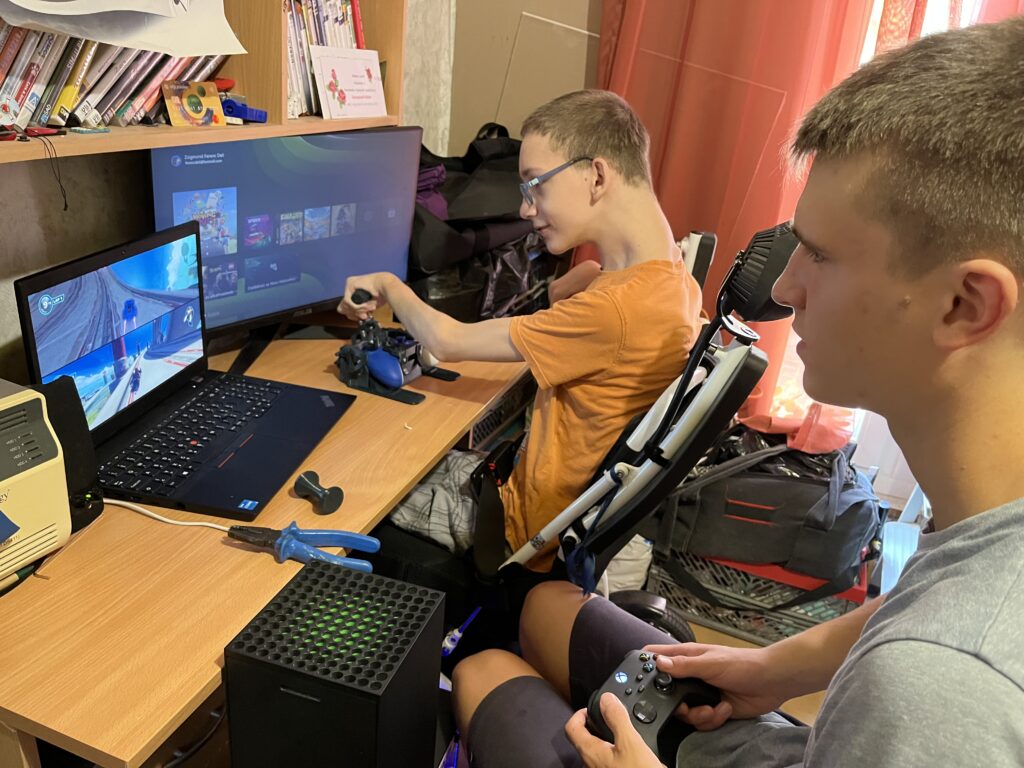
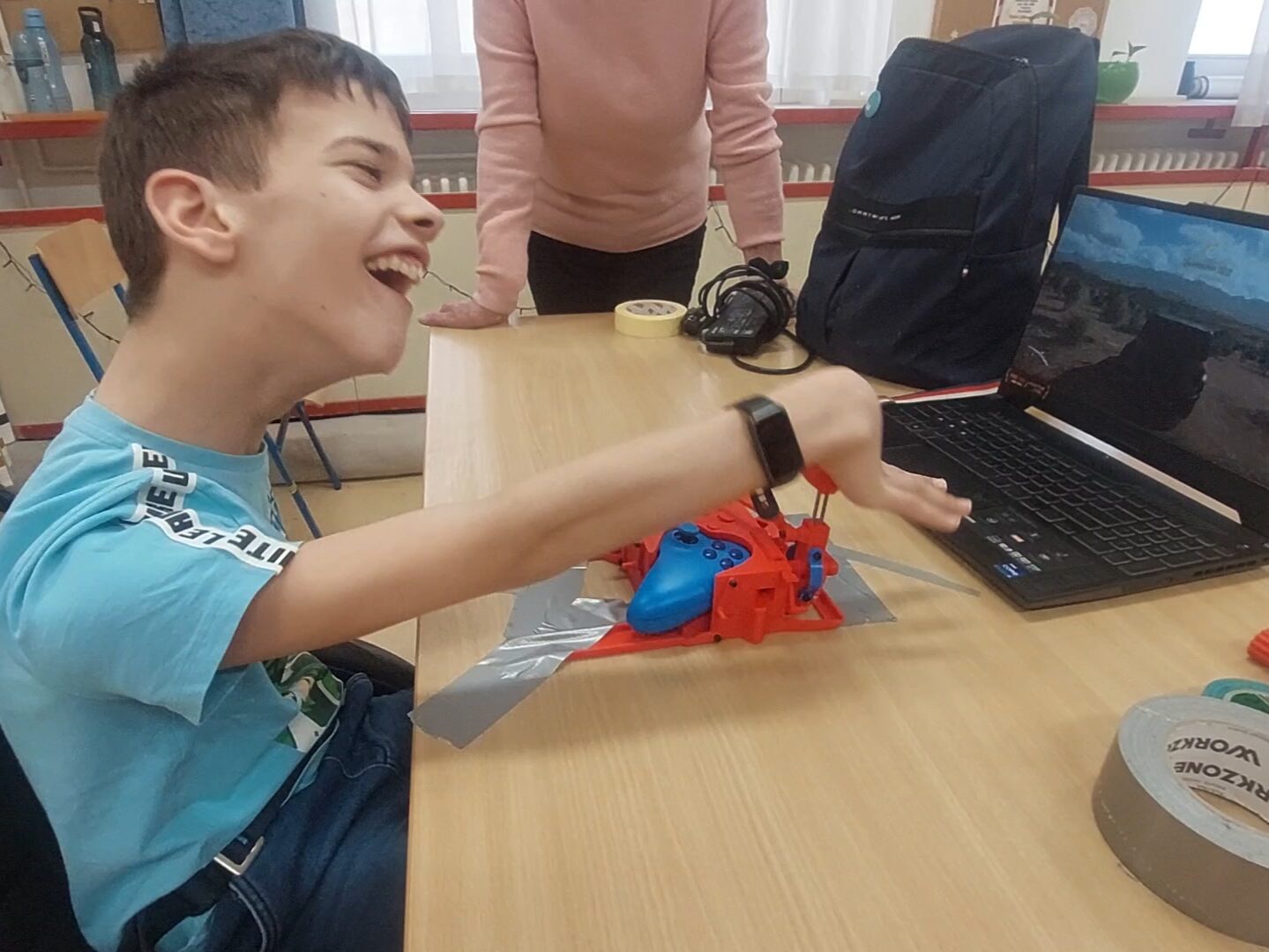
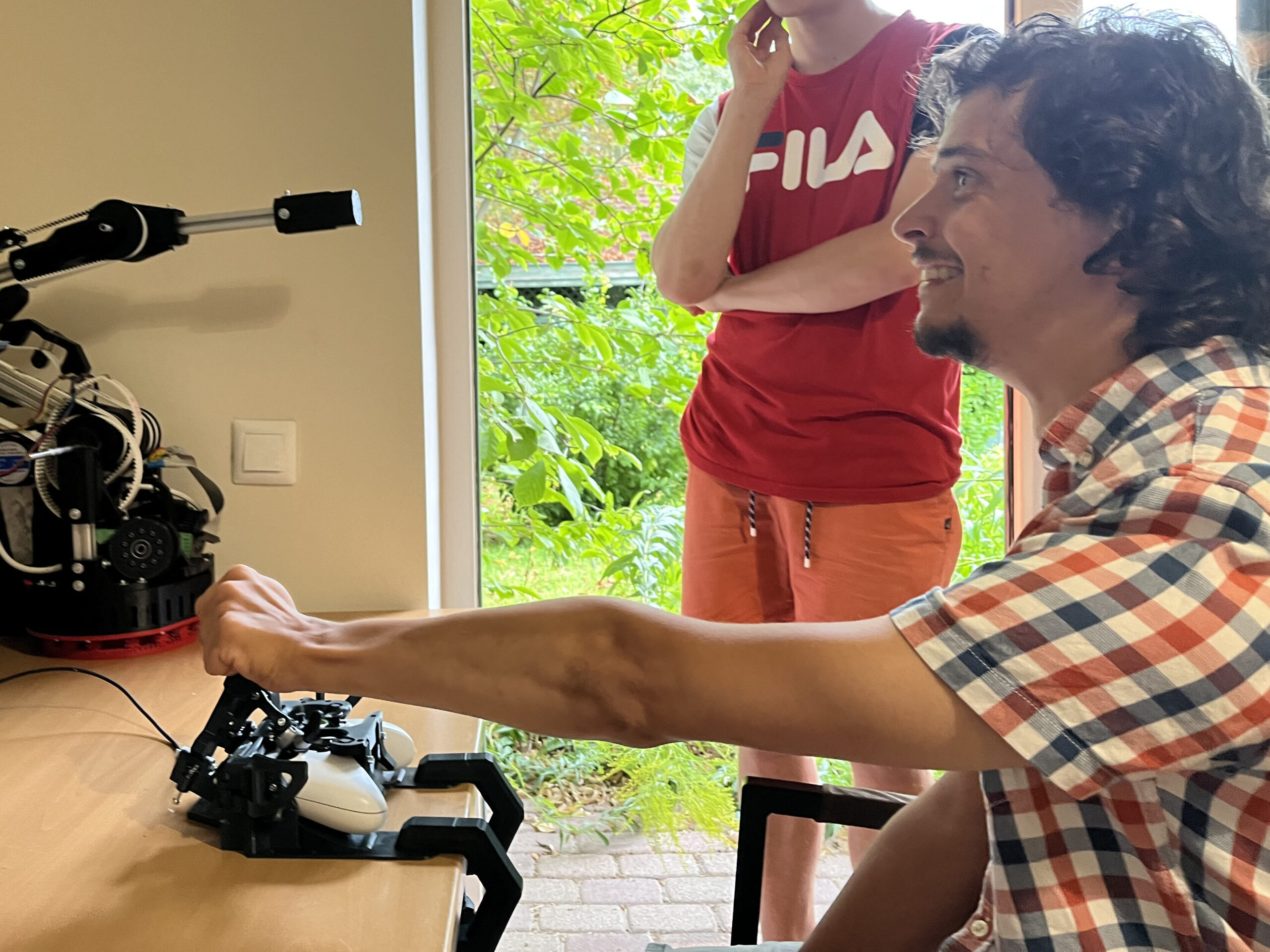
Figures 1, 2, 3: Pictures of testing the add-on
From project to company
In 2026 the add-on became AdaptaPlay. I incorporated AdaptaPlay Inc. as a Delaware C Corporation in May and am building it through Georgia Tech’s CREATE-X Startup Launch accelerator. The Hungarian patent was granted the same year, 22 controllers have been sold, and the device is in use in Hungary, Australia, the US and Mexico. Pilot trials are running with the Shepherd Center, AbleGamers and APAC in Mexico.
AdaptaPlay reached the top six of Georgia Tech’s InVenture Prize, which earned it the spot to represent Georgia Tech at the first University System of Georgia Innovation & Entrepreneurship Competition. Against one team from each of 25 institutions, it took first place and the $15,000 prize.
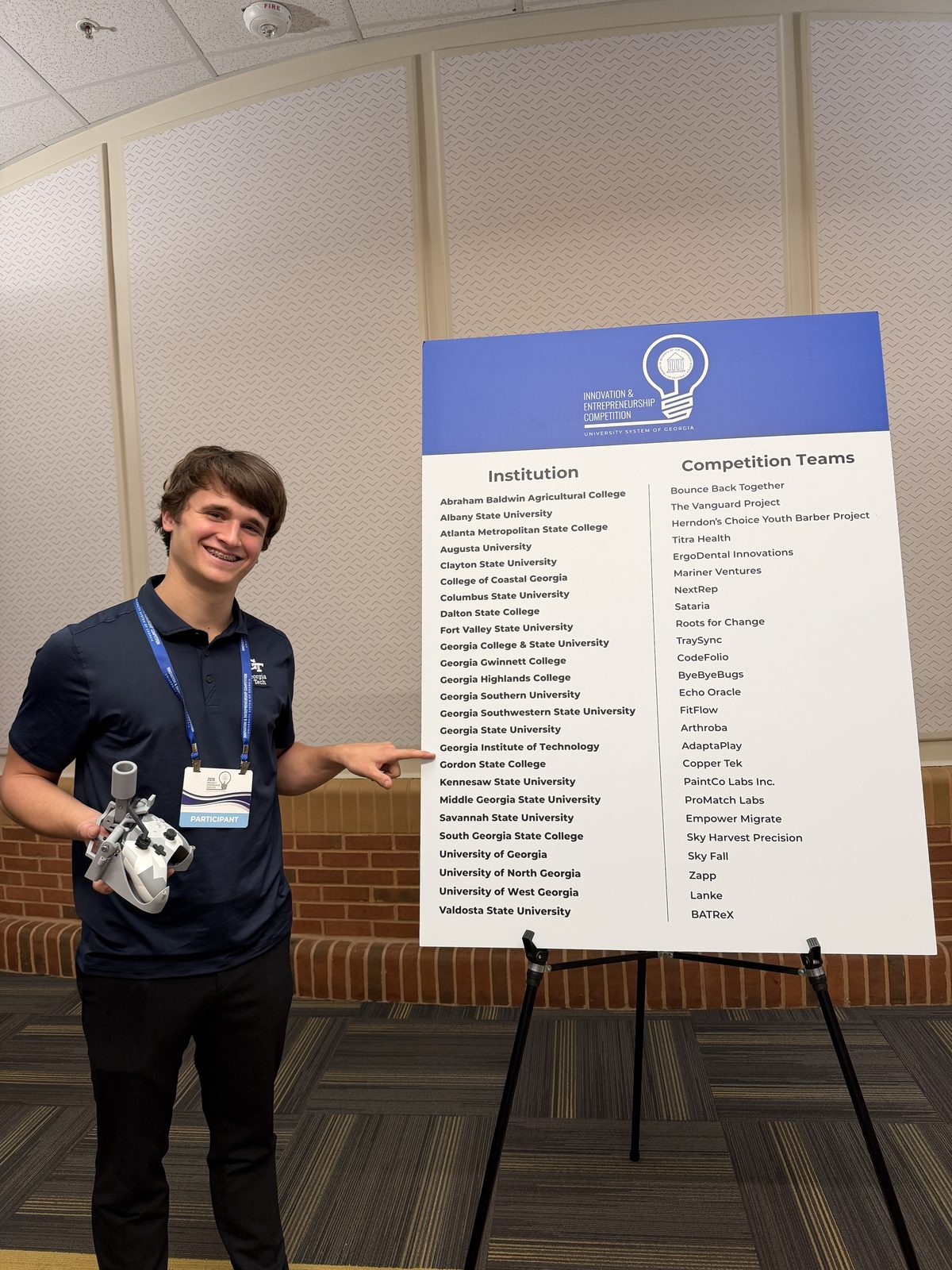
Before the USG finals, holding the add-on next to the board of competing teams.

Receiving the first-place award on stage.
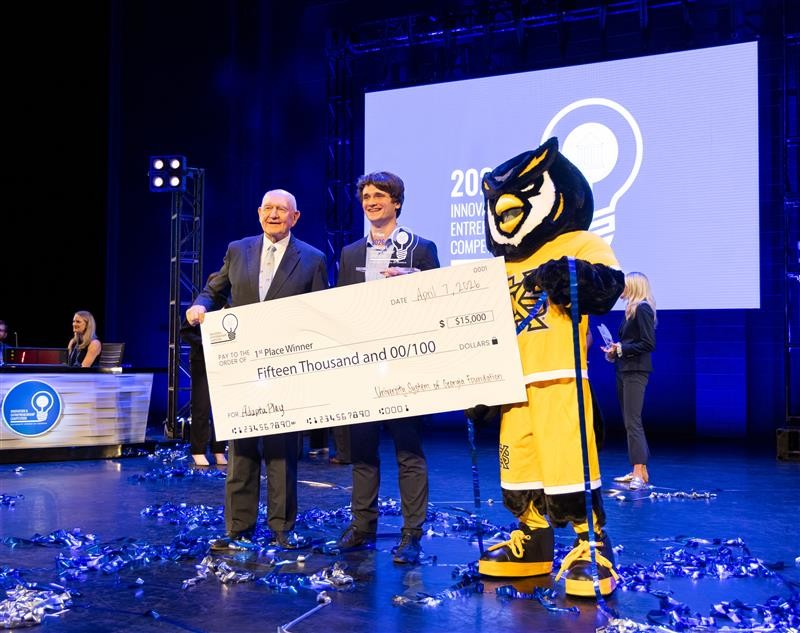
The $15,000 first-place check, made out to AdaptaPlay.
Conclusion
The add-on is cheap to print and easy to adapt to each player, and it lets children and adults with CP join games their friends already play.
In October 2026 I spoke about what building AdaptaPlay taught me at TEDxAtlanta Youth.